
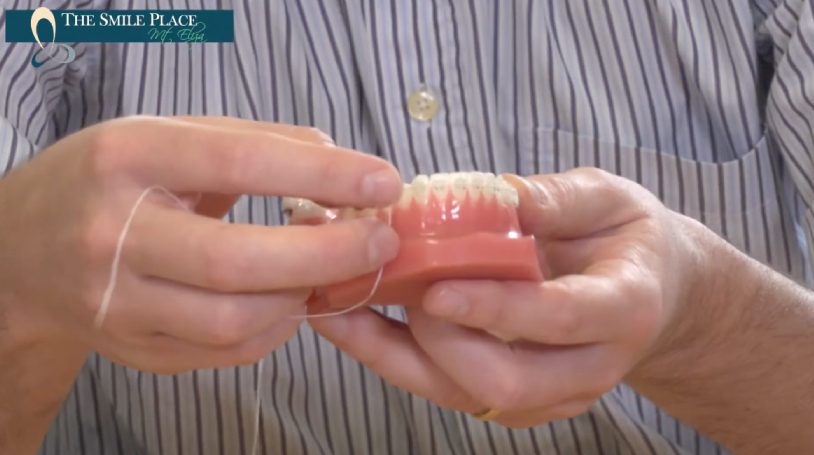
How to Floss with Braces Properly
Maintaining good oral hygiene during orthodontic treatment involves more than just brushing. Cleaning between your teeth is also important, especially when wearing braces, as wires and brackets can make this more challenging.
At The Smile Place Mt Eliza, we guide patients on techniques that may assist with cleaning around braces as part of their daily routine.
Why Flossing with Braces Is Important
Braces can create areas where plaque and food particles may accumulate, particularly between teeth and under the archwire. If these areas are not cleaned effectively, this may contribute to:
- Tooth decay
- Gum inflammation
- Build-up of plaque between teeth
Flossing helps clean areas that a toothbrush may not reach.
Step-by-Step: How to Floss with Braces
1. Use a Floss Threader
A floss threader can help guide floss underneath the orthodontic wire, allowing access between the teeth.
2. Thread the Floss Under the Wire
Carefully insert the floss threader under the wire and pull the floss through so it sits between two teeth.
3. Clean Between the Teeth
Gently move the floss up and down along the sides of each tooth.
Avoid snapping the floss into the gums—use controlled, gentle movements.
4. Curve Around Each Tooth
Wrap the floss slightly around the tooth (in a “C-shape”) to help clean along the surface and near the gum line.
5. Move to the Next Tooth
Remove the floss and repeat the process for each space between your teeth.
Additional Tips
Take your time—flossing with braces may take longer than usual
Use tools such as floss threaders or orthodontic floss where appropriate
Maintain a consistent routine as advised by your dental practitioner
When to Seek Advice
If you are unsure about your flossing technique, or if you experience bleeding gums, discomfort, or difficulty cleaning around your braces, it is important to seek professional advice.
The team at The Smile Place Mt Eliza can provide personalised guidance based on your individual needs.
Final Thoughts
Flossing with braces can require additional steps, but with the right technique and tools, it can become part of your daily routine.
Disclaimer:
This information is general in nature and does not replace professional dental advice. Please consult your dental practitioner for recommendations tailored to your individual circumstances.