
How to Brush Your Teeth with Braces: A Step-by-Step Guide
Maintaining good oral hygiene during orthodontic treatment is important for keeping your teeth and gums healthy. Braces can make cleaning more challenging, as brackets and wires create areas where food and plaque may accumulate.
At The Smile Place Mt Eliza, we provide guidance to help patients care for their teeth throughout treatment.
Why Oral Hygiene Matters with Braces
Braces introduce additional surfaces where plaque can build up. If not adequately removed, plaque may contribute to:
- Tooth decay
- Gum inflammation
- Visible marks on teeth after braces are removed due to decay
Establishing a consistent and thorough brushing routine can help reduce these risks.
Step-by-Step: How to Brush with Braces
1. Rinse Your Mouth First
Begin by rinsing with water to help dislodge loose food particles around brackets and wires.
2. Position Your Toothbrush Correctly
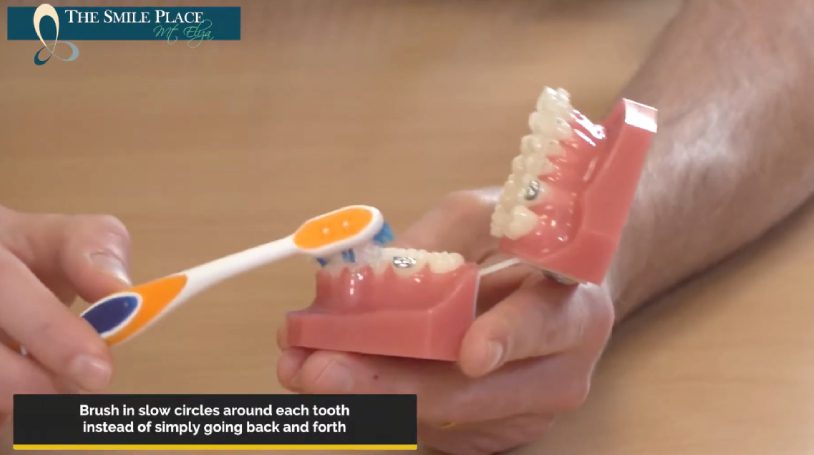
Hold your toothbrush at approximately a 45-degree angle toward the gum line. This helps clean both the teeth and the edges around the brackets.
3. Clean Above and Below the Brackets
Brush each tooth individually using small, gentle motions:
- Start above the bracket
- Then move below the bracket
- Ensure you are cleaning along the gum line
This technique helps remove plaque from areas that are harder to reach.
4. Focus on Brackets and Wires
Take extra care when brushing around brackets and under the wire, as these areas can retain food debris.
5. Brush All Tooth Surfaces
In addition to the front surfaces, remember to clean:
Chewing surfaces
Inner surfaces (tongue side of teeth)
A complete routine supports overall oral health.
6. Take Your Time
Brushing should be done thoroughly, typically around two minutes, to allow adequate cleaning of all tooth surfaces.
7. Rinse and Check
After brushing, rinse your mouth and check in the mirror for any remaining debris. If needed, re-clean specific areas.
Additional Oral Hygiene Tips
Your dental practitioner may recommend:
- Using an interdental brush to clean between brackets
- Cleaning between teeth daily (e.g. floss or floss aids)
- Using fluoride products as advised
These tools can support your regular brushing routine.
When to Seek Advice
If you are unsure about your brushing technique or notice ongoing plaque build-up, bleeding gums, or discomfort, it’s important to seek professional advice.
The team at The Smile Place Mt Eliza can provide personalised guidance based on your individual needs.
Final Thoughts
Brushing with braces may require more time and attention than usual, but developing the right technique can support your oral health during treatment.
If you have any questions about caring for your braces, our team is here to help.
Disclaimer:
This information is general in nature and does not replace professional dental advice. Please consult your dental practitioner for personalised recommendations.