
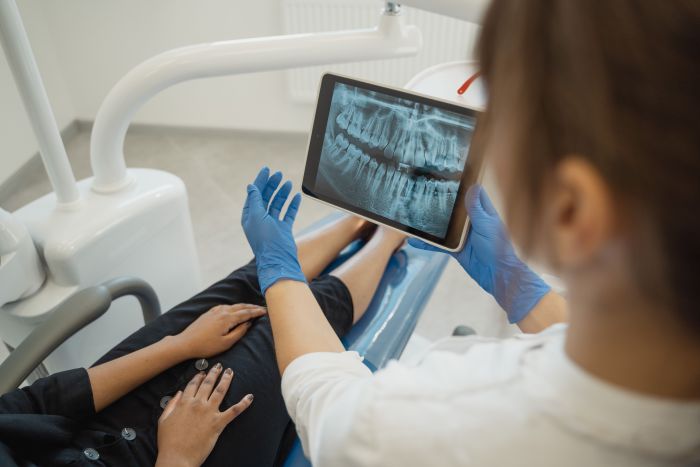
A root canal removes infected or inflamed tissue from inside a tooth and is intended to preserve the natural tooth where possible. While the treatment addresses the problem inside the tooth, there is still a recovery period afterwards.
Knowing what to expect during the first few days, why a crown may be recommended and which symptoms require a call to your dentist can make the recovery process easier to understand.
Every patient and tooth is different, so your dentist’s instructions should take priority over general recovery information.
What to Expect in the First Few Days
It is common for a treated tooth and the surrounding area to feel tender for a few days following root canal treatment. The tissues around the tooth may remain sensitive as they recover.
You may notice discomfort when biting or chewing, particularly if the tooth has been worked on extensively. This does not necessarily mean that something has gone wrong.
If you have recently undergone root canal treatment, your dentist may recommend being careful with the treated tooth while it settles. If chewing feels uncomfortable, choosing softer foods and eating on the opposite side of your mouth can help reduce pressure on the tooth.
Continue brushing and cleaning your teeth as advised by your dental team. Good oral hygiene remains important while the tooth is recovering.
If your dentist has placed a temporary restoration, follow any instructions about protecting it until the tooth receives its final restoration.
Why Might a Back Tooth Need a Crown?
A root canal can save a natural tooth, but the tooth may require additional protection afterwards.
Back teeth, particularly molars, are exposed to considerable chewing forces. When a substantial amount of tooth structure has been lost through decay, a crack, previous dental treatment or the root canal process itself, the remaining tooth may be more vulnerable to fracture.
For this reason, your dentist may recommend a crown to help restore and protect the tooth.
A crown fits over the remaining tooth structure and is designed to restore its shape and function. Whether a crown is appropriate depends on the individual tooth, how much healthy tooth structure remains and other clinical factors.
If your dentist recommends a dental crown after root canal treatment, the timing will depend on the condition of the tooth and the treatment plan. Completing the recommended restoration is an important part of protecting a tooth that has undergone extensive treatment.
How Long Can a Root Canal-Treated Tooth Last?
A tooth that has undergone root canal treatment can remain functional for many years when it receives appropriate care. However, there is no guaranteed lifespan for an individual treated tooth.
Several factors can affect how long it remains in good condition. These include the amount of healthy tooth structure remaining, the quality and condition of the final restoration, oral hygiene, biting forces and whether the tooth develops further problems.
Protecting the tooth with the appropriate restoration can be an important part of its long-term care. Regular dental examinations also allow your dentist to monitor the tooth and identify potential problems.
A root canal does not mean that the tooth no longer needs routine dental care. The treated tooth should still be brushed, cleaned between and around the teeth, and checked during regular dental appointments.
What Should You Eat After Root Canal Treatment?
Your dentist may recommend avoiding heavy chewing on the treated tooth during the initial recovery period, particularly if the tooth has a temporary restoration.
If the area is tender, softer foods may be easier to manage. Eating on the opposite side of your mouth can also reduce pressure on the treated tooth while it settles.
Once your dentist confirms that the tooth is ready for normal function, you can generally return to your usual eating habits according to their advice.
It is important to follow any specific instructions you receive, particularly if further treatment or a permanent restoration has been planned.
When Should You Call Your Dentist?
Some tenderness after root canal treatment can be part of normal recovery. However, symptoms that become more severe or fail to improve should be assessed.
Contact your dentist if you experience swelling, particularly around the tooth, gum or face. Swelling can indicate inflammation or infection and should not be ignored.
A fever or feeling generally unwell is another reason to contact your dental practice. These symptoms may indicate that further assessment is required.
You should also call if your pain is getting worse rather than gradually improving. Increasing pain can have several possible causes, so your dentist may need to examine the tooth and surrounding tissues.
A temporary filling or restoration that becomes damaged or falls out should also be reported to your dental practice so the tooth can be protected appropriately.
If you develop significant symptoms outside your usual dental appointment arrangements, emergency dental care in Mt Eliza may be appropriate. The Smile Place provides information about what to do when a dental problem requires urgent attention.
Looking After a Treated Tooth Long Term
Once your root canal treatment and final restoration are complete, the tooth still needs the same basic care as your other teeth.
Brush twice a day using fluoride toothpaste and clean between your teeth as recommended by your dental professional. Regular dental examinations can help your dentist monitor the treated tooth and the rest of your mouth.
Pay attention to changes such as discomfort when biting, sensitivity or damage to the restoration. A treated tooth can still develop problems around the root or in the remaining tooth structure, even though the infected tissue inside the tooth has been removed.
Avoid using your teeth to bite hard objects or open packaging, as excessive forces can damage teeth and restorations.
Most importantly, attend any follow-up appointments recommended by your dentist. These appointments allow the tooth to be assessed and any planned restoration to be completed.
What If the Tooth Becomes Painful Again?
A tooth that has received root canal treatment can occasionally develop further problems. New or recurring symptoms should not automatically be assumed to be part of the original recovery process.
Pain that appears after the tooth has settled, increasing discomfort when biting, swelling or other changes should be discussed with your dentist. An examination can help determine whether the problem relates to the tooth, the surrounding tissues or the restoration.
Prompt assessment is particularly important when symptoms are accompanied by facial swelling, fever or significant pain.
Rather than waiting for symptoms to resolve on their own, contact your dental practice for advice. If you believe you need urgent attention, the emergency dentist service in Mt Eliza can provide information about seeking appropriate dental care.
Frequently Asked Questions
Is tenderness normal after a root canal?
Some tenderness around the treated tooth can occur during the first few days. If symptoms are getting worse rather than improving, contact your dentist.
Why might I need a crown after a root canal?
A crown may be recommended when a tooth has lost significant structure and needs additional protection, particularly a back tooth exposed to chewing forces.
Can a root canal-treated tooth last for many years?
Yes, a treated tooth can remain functional for many years with appropriate restoration and ongoing dental care. Its lifespan varies between individuals.
When should I call my dentist after a root canal?
Contact your dentist if you develop swelling, fever, worsening pain or another symptom that concerns you. Prompt assessment can help determine whether further treatment is needed.
Book a Follow-Up at The Smile Place Mt Eliza
If you have recently had root canal treatment or have questions about recovery and restoring the treated tooth, your dentist can assess your individual situation and advise you on the next step.
Book an appointment at The Smile Place Mt Eliza for follow-up care and advice about your treated tooth.