
A brighter smile can gradually become less noticeable over time. Even after professional whitening, teeth are still exposed to food, drinks and everyday habits that can contribute to staining. Understanding what affects the longevity of whitening can help you maintain your results and recognise when further treatment may be appropriate.
The length of time whitening remains noticeable varies from person to person. Your starting tooth colour, diet, oral hygiene, age and exposure to staining substances can all play a role. Your dentist can also assess your teeth and discuss an appropriate approach based on your individual circumstances.
Why Do Teeth Whitening Results Fade?
Teeth naturally accumulate stains and colour changes over time. Some are caused by substances that come into contact with the outer surface of the teeth, while other changes occur within the tooth as it ages.
Coffee and tea are common sources of staining because they contain compounds that can contribute to tooth discolouration. Red wine can also contribute to staining with repeated exposure. Smoking and other tobacco use may cause noticeable staining and make it more difficult to maintain a lighter tooth shade.
Age is another factor. As teeth get older, the enamel can become thinner, allowing more of the naturally darker dentine underneath to show through. This means that some changes in tooth colour are part of the natural ageing process rather than simply surface staining.
Whitening can change the colour of natural teeth, but it does not prevent future staining or stop natural changes in tooth colour.
In-Chair and Take-Home Whitening: What Is the Difference?
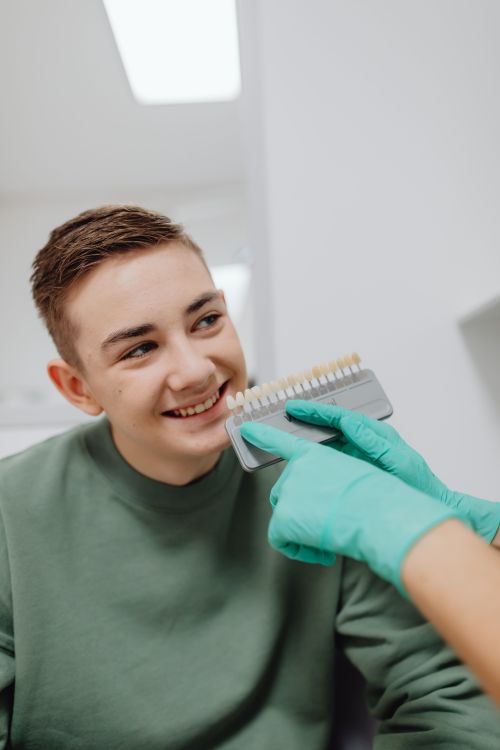
Professional whitening can generally be provided in a dental practice or through a take-home approach prescribed or supplied by a dental professional.
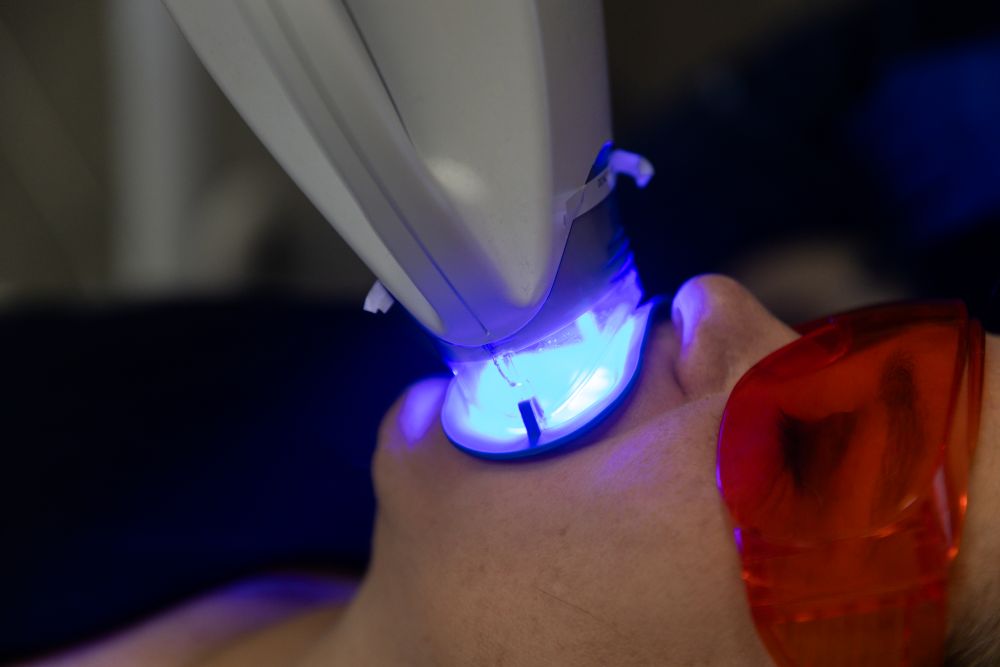
In-chair whitening is carried out at the dental practice under professional supervision. Depending on the treatment, whitening products are applied to the teeth during an appointment. People may choose in-chair teeth whitening in Mt Eliza when they prefer to have their treatment carried out at the dental practice under professional supervision.
Take-home whitening involves using whitening products according to instructions provided by a dental professional. The process takes place at home over a period of time rather than during a single in-chair appointment.
The two approaches differ in how the treatment is delivered, and the appropriate option depends on factors such as your teeth, existing dental work, oral health and whitening goals. Your dentist can assess your smile and discuss which approach may be suitable.
It is important to follow the instructions provided with any professional whitening treatment. Using whitening products more frequently or for longer than recommended does not necessarily improve the outcome and may increase the likelihood of unwanted effects.
Is Tooth Sensitivity Normal After Whitening?
Tooth sensitivity is a common side effect associated with dental whitening. Some people notice temporary sensitivity to cold foods, drinks or air during or after treatment.
The experience varies between individuals, and sensitivity will generally settle after the whitening process. Your dentist can discuss ways to manage sensitivity and determine whether whitening is appropriate based on your dental health.
It is important not to assume that sensitivity is always related to whitening. Existing dental problems, such as tooth decay, cracked teeth or exposed tooth surfaces, can also contribute to sensitivity. A dental assessment can help identify any underlying concerns before treatment.
If you already experience significant tooth sensitivity, mention it to your dentist before beginning a whitening treatment. This allows your dental team to consider your symptoms when discussing your options.
Whitening Does Not Change Crowns, Veneers or Fillings
One important consideration before whitening is the presence of dental restorations.
Whitening products affect natural tooth structure. They do not whiten the colour of existing crowns, veneers or tooth-coloured fillings in the same way as natural teeth.
This can become noticeable if you have restorations on visible teeth. For example, whitening natural teeth after receiving a tooth-coloured restoration may result in a difference between the shade of the natural teeth and the existing restoration.
If you have dental crowns or other restorations, tell your dentist before whitening. They can assess your existing dental work and discuss how treatment may affect the overall appearance of your smile. You can also discuss whether a crown or other restorative treatment may be appropriate if the colour or condition of an existing restoration is a concern.
Whitening is therefore not a way to change the shade of crowns, veneers or fillings. Any change to those restorations would require separate dental treatment.
How Can You Help Maintain Your Whitening Results?
Everyday habits can influence how quickly teeth become stained again. Good oral hygiene is an important part of maintaining your natural teeth and overall oral health.
If you regularly consume coffee, tea or other drinks that can stain teeth, reducing your exposure may help limit new staining. Rinsing your mouth with water after consuming strongly coloured drinks can also reduce the amount of staining material left on the teeth.
Avoiding tobacco is also important for oral health and can help reduce tobacco-related staining.
Regular dental check-ups and professional cleaning can help manage plaque and surface deposits. Your dentist can also advise whether further whitening or a touch-up treatment is appropriate.
There is no need to continually whiten your teeth simply to maintain the lightest possible shade. Whitening should be approached according to the condition of your teeth and the advice of your dental professional.
When Should You Consider Whitening Again?
There is no single schedule that applies to everyone. Some people may notice a change in tooth colour sooner than others, depending on their diet, habits, age and the original colour of their teeth.
Rather than repeatedly whitening your teeth without professional guidance, discuss any changes in colour with your dentist. They can determine whether the change is caused by surface staining, natural tooth colour, ageing or another dental issue.
It is also worth remembering that a darker-looking tooth is not necessarily a tooth that simply needs whitening. A single tooth that changes colour, for example, may require assessment to determine the cause.
If you have existing restorations, your dentist can also consider whether the colour of natural teeth and dental work needs to be taken into account before any further whitening.
Frequently Asked Questions
How long does teeth whitening last?
There is no fixed timeframe for everyone. Results gradually change as teeth are exposed to food, drinks, tobacco and natural ageing.
Can I drink coffee after whitening?
Coffee can contribute to tooth staining. Your dental team can provide specific aftercare advice following your whitening treatment.
Will whitening make my crowns or fillings lighter?
No. Whitening changes the colour of natural teeth and does not change the shade of existing crowns, veneers or fillings.
Is sensitivity after whitening normal?
Temporary sensitivity can occur after whitening. If sensitivity is severe, persistent or concerning, contact your dentist for advice.
Book a Whitening Consultation at The Smile Place Mt Eliza
If you are considering whitening or want to discuss changes in your tooth colour, a dental assessment is a useful starting point. The Smile Place Mt Eliza can assess your teeth, existing dental work and oral health before discussing suitable options.
Book an appointment at The Smile Place Mt Eliza to discuss your smile and whitening needs